

The Rise of Sustainability in Marketing: How Green Marketing is Becoming the New Norm

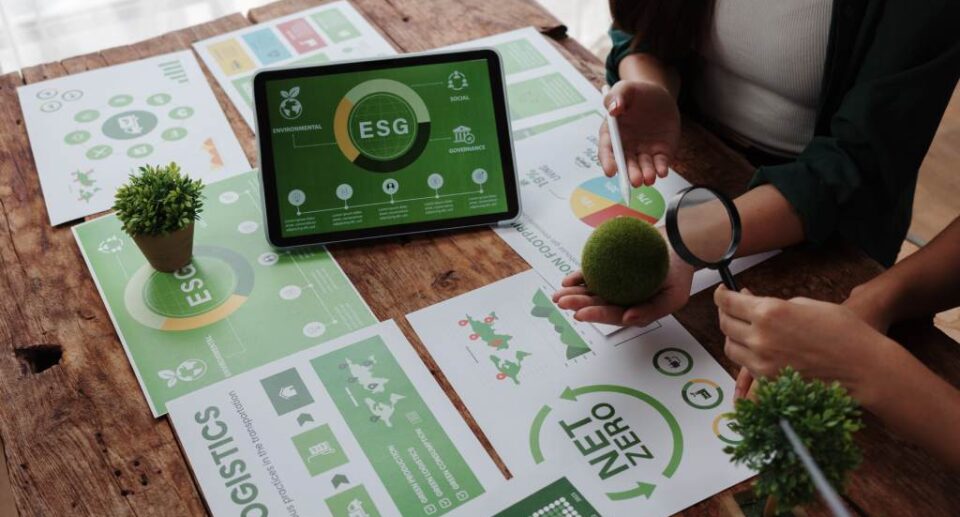

Sustainability has become a defining factor in how modern brands are evaluated. Consumers today are more informed, more conscious, and more selective about the businesses they support. Environmental responsibility is no longer viewed as an optional initiative it is increasingly expected as part of a brand’s identity.
This shift has led to the growing importance of green marketing, where sustainability is thoughtfully integrated into products, services, and communication. Rather than being a short-term trend, green marketing reflects a long-term change in consumer behavior toward ethical and environmentally responsible choices.
What is Green Marketing and Why It Matters
Green marketing refers to the promotion of products, services, and business practices that prioritise environmental responsibility. This includes sustainable sourcing, reduced environmental impact, ethical production, and transparent communication around these efforts.
What makes green marketing particularly relevant today is the level of scrutiny consumers apply to brand claims. Audiences actively research sustainability credentials and expect businesses to demonstrate genuine commitment rather than surface-level messaging.
For brands, green marketing offers more than reputational value. When sustainability is embedded into strategy and operations, it supports long-term trust, differentiation, and resilience in a competitive market.
The Impact of Sustainability on Consumer Behavior
Sustainability now plays a significant role in purchasing decisions. Consumers are increasingly willing to choose brands that reflect their values, even if it requires changing habits or paying a premium.
Beyond the initial purchase, sustainability also influences loyalty. Brands that consistently demonstrate responsible practices tend to build stronger emotional connections with their audiences. This trust translates into repeat engagement, advocacy, and long-term customer relationships.
Younger consumers, in particular, expect brands to be transparent and accountable. For this audience, sustainability is not an added benefit it is a core expectation. Brands that recognise this shift are better positioned to attract and retain future-focused consumers.
How Green Marketing is Transforming Digital Strategies
Digital marketing plays a central role in how sustainability is communicated. Through SEO, content marketing, and social media, brands can clearly articulate their environmental efforts and reach audiences actively seeking responsible businesses.
Search behaviour increasingly reflects sustainability-driven intent, with consumers looking for eco-friendly and ethical solutions. Optimising content around these themes allows brands to connect with high-intent, value-aligned audiences.
Content marketing enables deeper storytelling helping brands explain initiatives, share measurable progress, and educate rather than simply promote. On social media, transparency becomes even more important, as audiences expect real insights into how sustainability commitments are being implemented. Clear, honest, and consistent messaging is essential. In green marketing, credibility is built through openness, not overstatement.
Overcoming Challenges in Green Marketing
One of the most common challenges in green marketing is the risk of greenwashing making claims that are exaggerated, misleading, or unsupported. As awareness grows, consumers are increasingly cautious and quick to question vague sustainability statements.
To avoid this, businesses must ensure that their claims are accurate, specific, and supported by action. Communicating progress honestly, including areas still under development, helps build trust and credibility.
Consistency is equally important. Sustainability should be reflected not only in marketing campaigns but across business practices and customer experience. When messaging aligns with action, green marketing becomes a powerful trust-building tool rather than a reputational risk.
Conclusion
Green marketing is shaping the future of digital marketing by aligning brand growth with environmental responsibility. As sustainability becomes central to consumer decision-making, businesses that integrate it authentically into their marketing strategies will be better positioned for long-term success.This shift represents an opportunity for brands to build deeper trust, demonstrate leadership, and remain relevant in an increasingly conscious marketplace.
If your business is looking to integrate sustainability into its marketing in a meaningful and credible way, connect with our team. We help brands develop green marketing strategies that build trust, align with business goals, and resonate with today’s conscious consumers.
Connect with us – https://www.theimpulsedigital.com/contact-us